DEFINITIVE REFERENCE FOR INDIAN CENT DIE VARIETIES


Home
Table of Contents
For Sale List
Numismatic Links
David's Numismatic Blog

1867 Variety 6


Obverse 6

Reverse F


Obverse Diagnostics


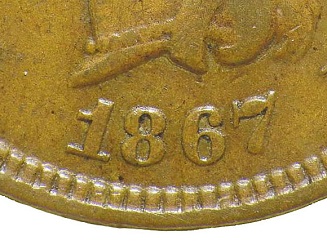
Date Position

Reverse Diagnostics


Reverse F Die Crack Mapping
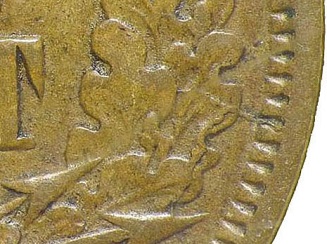

Radial Die Crack from 3:30

Die Cracks from 5:15 and 7:15

Die Crack from 8:30


Die Crack from 8:45

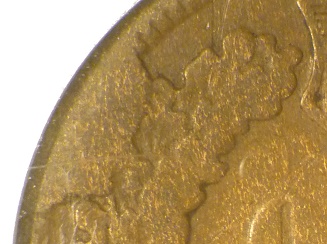
Reverse F Retained Cud Between 9:30 and 10:30

Reverse F.2 Cud Between 9:30 and 10:30


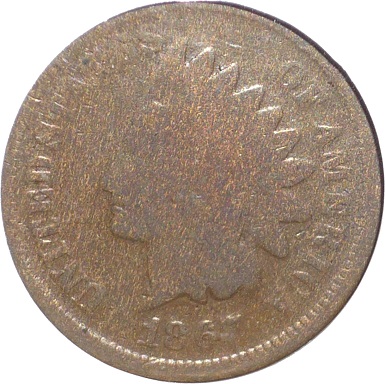
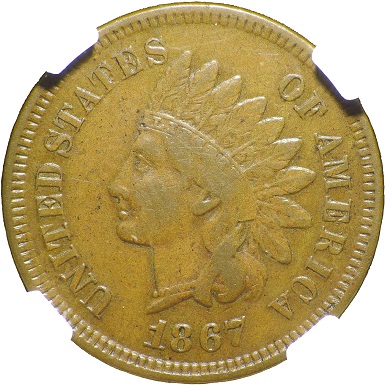
Obverse 6 is observed with date placement at B.

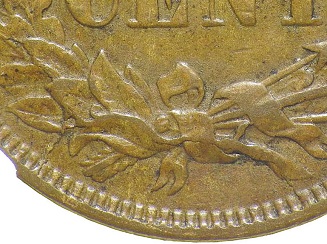
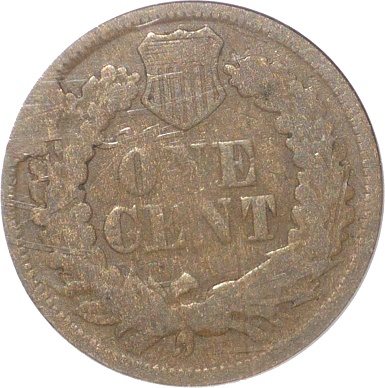
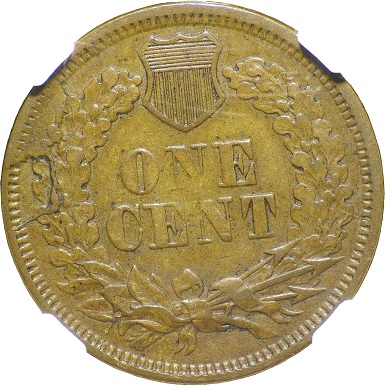
Reverse F is rotated approximately 5 degrees counter clockwise and develops a retained cud between 9:30 and 10:30.  Reverse F develops the following die cracks:
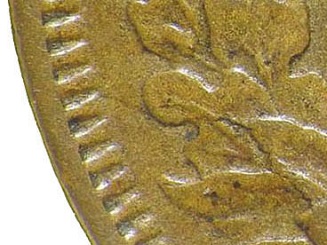
1.  Radial die crack from the rim at 3:30 into the wreath.
2.  Die crack from the rim at 5:15 up into the bottom of the wreath.
3.  Die crack from the rim at 7:15 up into the olive leaves.
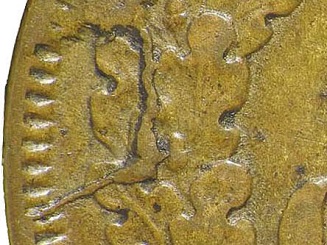
4.  Die crack from the rim at 8:30 down into the wreath and will join the die cracks from #2 and #3.
5.  Heavy die crack from the rim at 8:45 up through the wreath to the retained cud.
Rev. F.2:  The retained portion of die steel from the break between 9:30 and 10:30 is now absent, which has left a void within the working die that allows for metal flow.

Comments:  Variety 6 was initially identified during 2016 by Russell Doughty, who kindly shared his images to illustrate variety 6 for this book.  With the assumption that obverse 6 and reverse F were paired together from the outset, the variety 6 die pairing is yet another example of the contrast between a highly deteriorated reverse and a relatively unscathed obverse.

The variety 6a die pairing was discovered by this author during early June 2016.  Reverse F remains in the same die state, but has lost the retained portion of die steel from the die break between 9:30 and 10:30.

Plate coin (Variety 6):  Images Courtesy of Russell Doughty, NGC XF45
Plate coin (Variety 6a):  Keith Bock Collection, NGC G4

1867 Variety 6 Die States

VARIETY 6

OBVERSE 6
REVERSE F


VARIETY 6a

OBVERSE 6
REVERSE F.2


Return to 1867 Varieties Table

Return to Date and Die Variety Analysis