DEFINITIVE REFERENCE FOR INDIAN CENT DIE VARIETIES


Home
Table of Contents
For Sale List
Numismatic Links
David's Numismatic Blog

1902 Variety 7


Obverse 11

Reverse J


Obverse Diagnostics


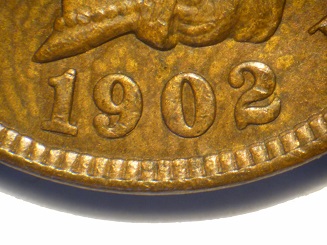
Date Position

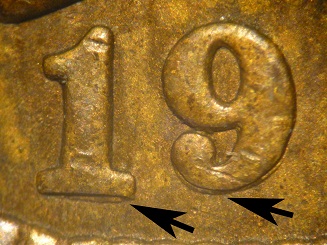
Repunched 19 to the South

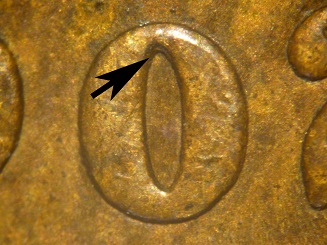
Repunched 0 to the South


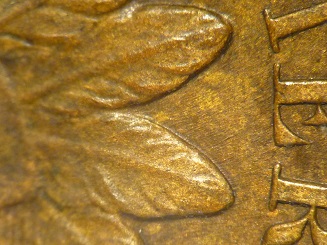
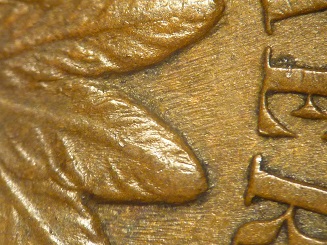
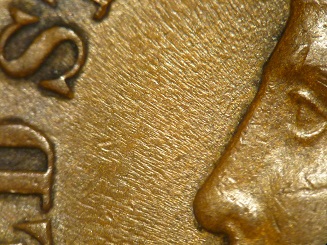
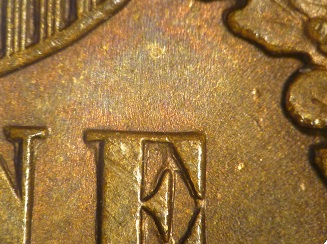
Obverse 11  Die Flow Lines

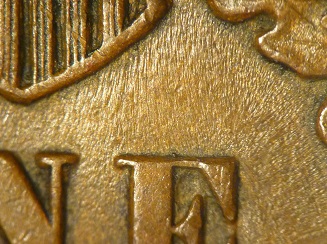
Obverse 11.2  Die Flow Lines

Obverse 11.2  Die Flow Lines


Reverse Diagnostics


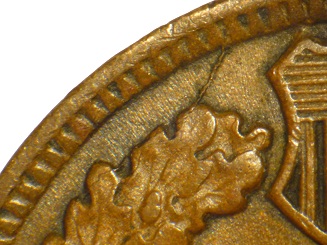
Reverse J  Die Crack from 11:15

Reverse J.2  Die Crack from 11:15

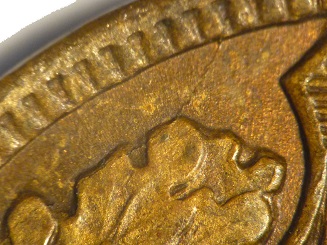
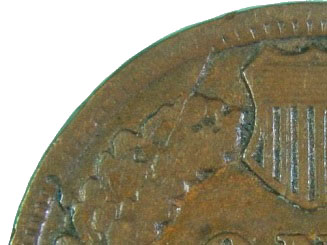
Reverse J.3 Retained Cud Between 10:00 and 11:15


Reverse J Die Flow Lines

Reverse J.2 Die Flow Lines

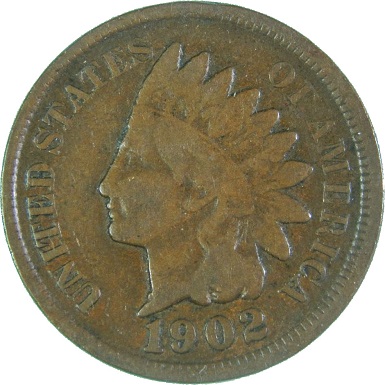
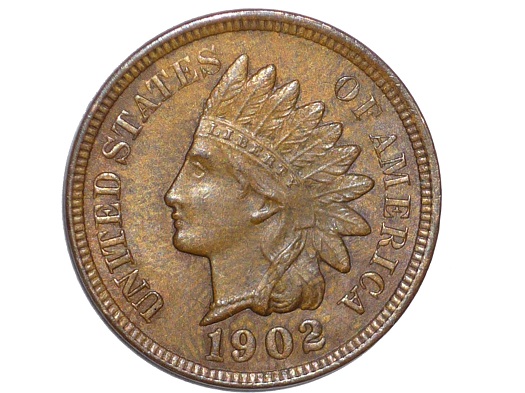
Obverse 11 is identified by repunching to the south on the 190 of the date, with date placement at LE.  Obverse 11 has developed light die flow lines.  The following die state has been observed for Obverse 11:
Obv. 11.2:  Die flow lines are now more pronounced.

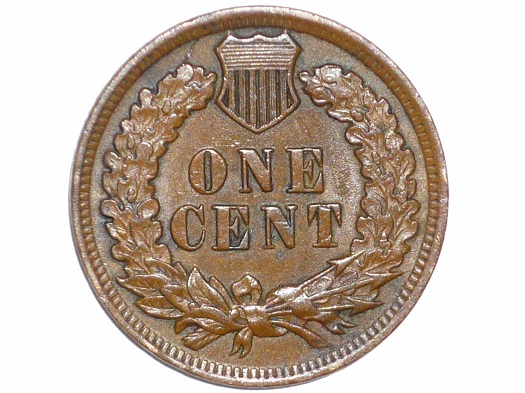
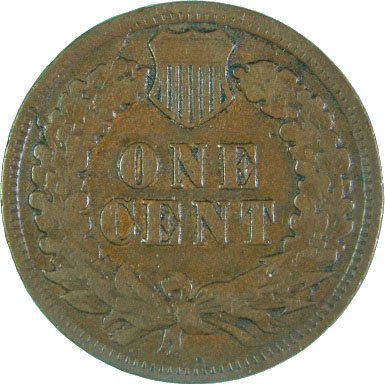
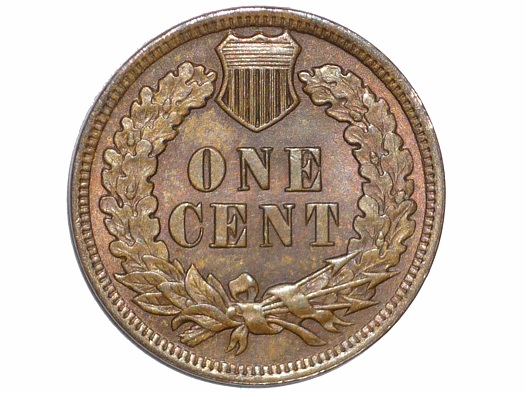
Reverse J is in a similar die state as Obverse 11, with light die flow lines visible.  In addition, Reverse J has developed a light die crack from the denticles at 11:15 through the outer edge of the wreath to 9:00.  The following die state has been observed for Reverse J:
Rev. J.2:  Die flow lines are now more pronounced.  The die crack from 11:15 is now more severe, with a second die crack emerging from it within the wreath at 11:00 and looping around where it rejoins at 10:30.
Rev. J.3:  Reverse J has now developed a retained cud between 10:00 and 11:15.

Comments:  The repunching at the base of the 1 actually extends to the bottom left edge of that digit, but the repunching is weak on the left half.

Variety 7b was first identified by Bill Thomas, who was very kind in granting permission to me during mid July 2016 to use his images to illustrate Variety 7b for this book.

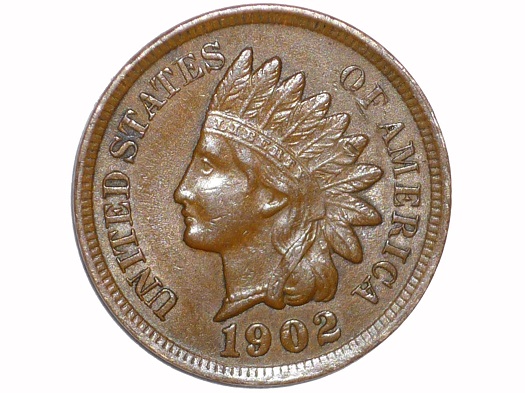
Plate Coin (Variety 7):  Richard Ashton, AU58
Plate Coin (Variety 7b):  Images courtesy of Bill Thomas

Die States for 1902 Variety 7

VARIETY 7

OBVERSE 11
REVERSE J

VARIETY 7a

OBVERSE 11.2
REVERSE J.2

VARIETY 7b

OBVERSE 11.2
REVERSE J.3

Return to 1902 Varieties Table

Return to Date and Die Variety Analysis