DEFINITIVE REFERENCE FOR INDIAN CENT DIE VARIETIES


Home
Table of Contents
For Sale List
Numismatic Links
David's Numismatic Blog

1906 Variety 28


Obverse 29

Reverse AC


Obverse Diagnostics


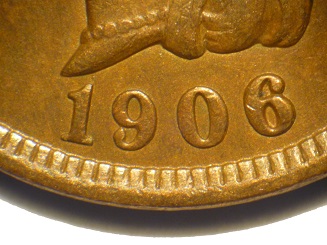
Date Position

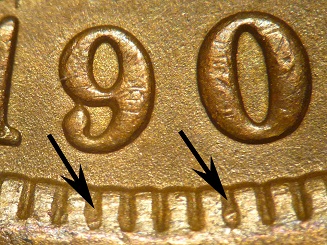
Misplaced Digits in the Denticles

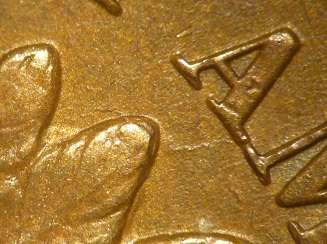
Die Crack from A of AMERICA

Reverse Diagnostics


Reverse AC Die Crack Mapping
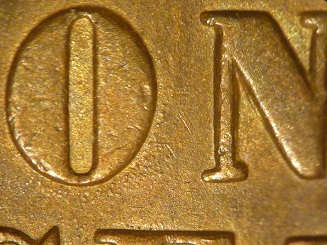

Die Rust around O of ONE

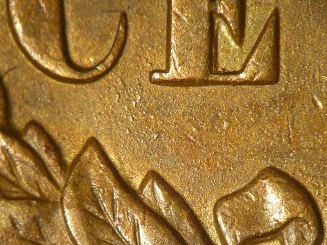
Die Rust below CENT

Die Cracking in the Field by E of ONE


Obverse 29 is identified by the presence of two misplaced digits below the 90 of the date, with date placement at LH.  Obverse 29 is observed with moderately heavy die flow lines, light clash marks above the feathers from a clashing event with reverse AC and develops the following die crack:
1.  Die crack from the right foot of the A of AMERICA through the fifth and sixth feathers.

Reverse AC is observed with areas of die rust and develops numerous die cracking within both sides of the wreath.  Reverse AC has acquired a light clash mark through the C of CENT from a clashing event with obverse 29 and is in a similar die state as obverse 29, with the advancement of moderately heavy die flow lines.

Comments:  The obverse 29 misplaced digits are most likely the tops of the 06 from an initial digit punch impression that was too far southwest with a small degree of clockwise rotation.  The misplaced digit below the 0 of the date is the more conspicuous of the two.

With the exception of the heavy die crack from 9:00 down through the wreath to the olive leaves, the die cracking of reverse AC is light.  The contrast between relatively uncracked obverse 29 and extensively cracked reverse AC is a common theme that illustrates that the anvil die (reverse die) fares much worse than the hammer die (obverse die) during the course of production.

Variety 28 was first identified by David Killough, who submitted the above plate coin during early October 2016 for inclusion in this book based on the misplaced digits of obverse 29 and reverse AC die cracking.

Plate coin:  David Killough Collection, AU50

Return to 1906 Varieties Table

Return to Date and Die Variety Analysis